10+ years shipping production AI systems for Korea's largest enterprises — now ready to build AI agents that automate complex audit and advisory workflows. 3 production AI agents. 13 AI patents. Full-stack ownership from LLM orchestration to mobile deployment.
Direct alignment between Fieldguide's Senior AI Engineer requirements and my track record building agentic systems, evaluation frameworks, and enterprise-grade AI in production.
Successful B2B deliveries across enterprise, healthcare, insurance, and government clients. Currently building LLM-based AI agents at Pevo, with prior NLP-based chatbot delivery to Hyundai Motor Group, Amore Pacific, Gangnam District Office, and DA Plastic Surgery.

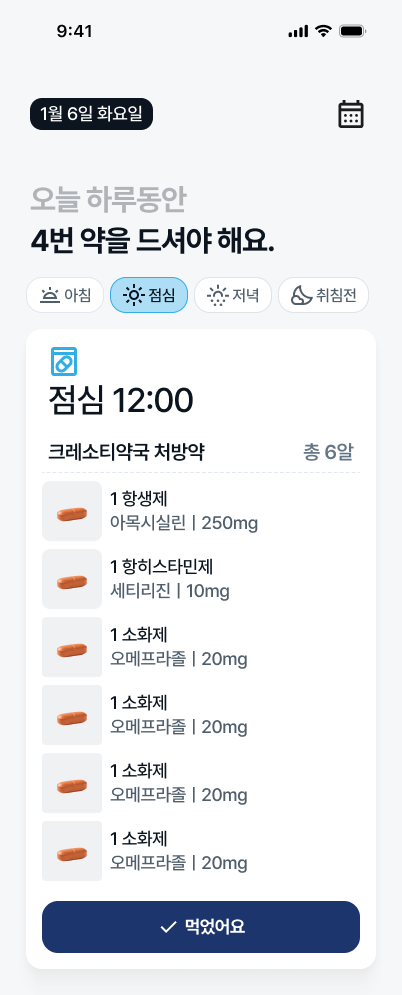
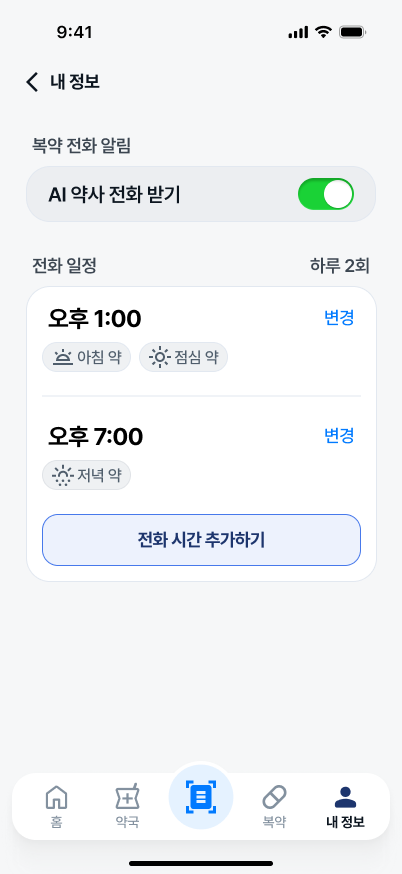
Pharmacies served — 15K out of total 25K in the Korean market (~60% domestic market share). Market leader in pharmacy POS systems. Deployed 2 AI agents (document + voice) with complex workflow automation.
LLM-based AI Agent

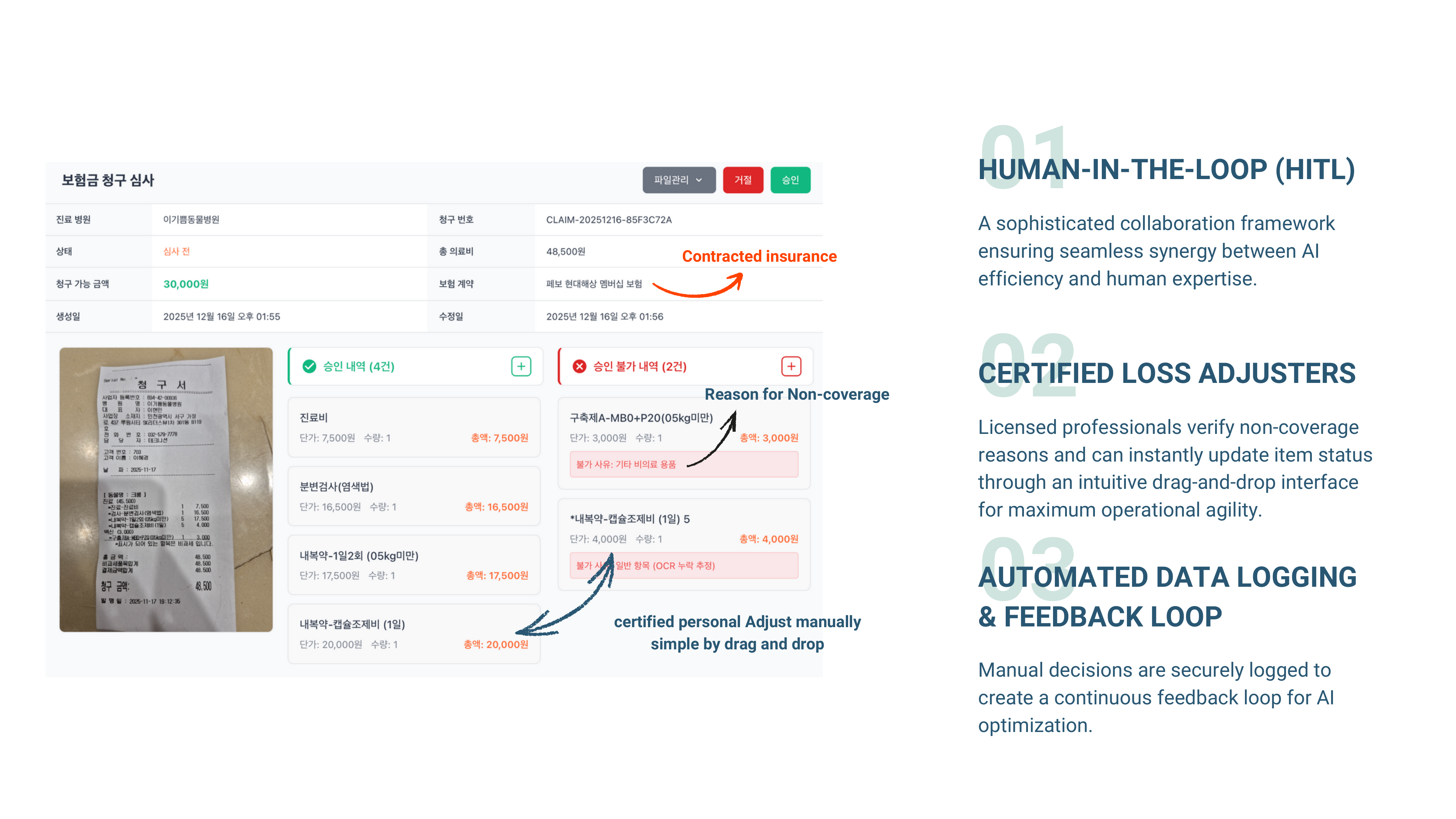
One of South Korea's largest insurers. Built multi-agent AI architecture for automated insurance claim damage assessment with human-in-the-loop verification — the kind of complex, judgment-heavy workflow Fieldguide automates.
LLM-based AI Agent

Built and delivered AI chatbot system for Hyundai Motor Group via their IT subsidiary Hyundai AutoEver. Enterprise-grade conversational flow with end-to-end delivery.
NLP-based Chatbot

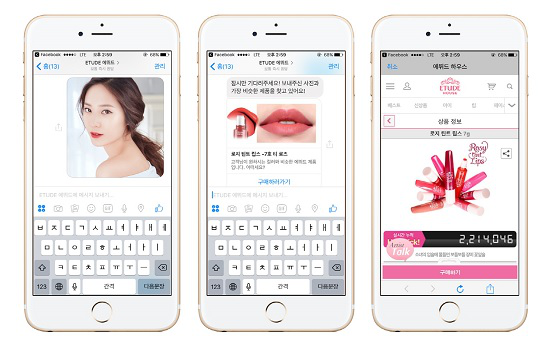
AI-powered cosmetics recommendation chatbot for Etude House, a global beauty brand under Amore Pacific — South Korea's largest cosmetics conglomerate.
NLP-based ChatbotLed all technical decisions across healthcare and insurance AI systems at Pevo. End-to-end ownership from architecture design to production operations.
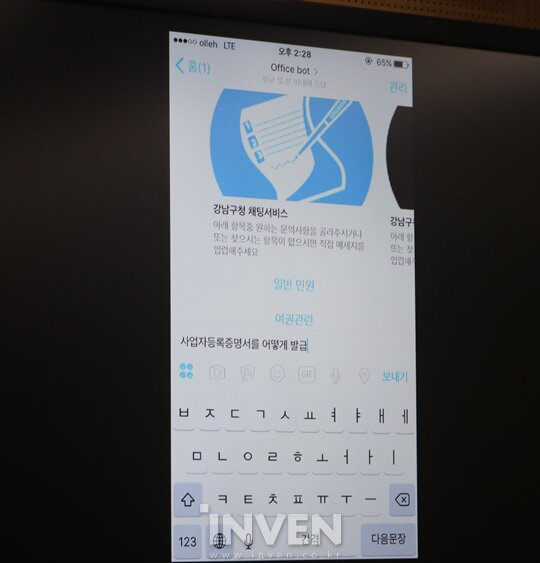
Built and operated AI chatbot systems for major Korean enterprises: Amore Pacific, Hyundai Motor Group, and Gangnam District Office. Managed end-to-end delivery including regulatory compliance, data security, and production operations — the same rigor required for audit and assurance workflows.
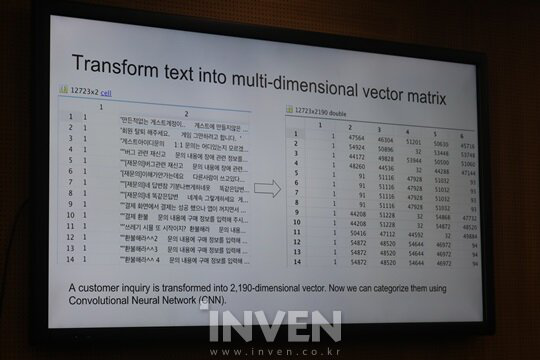
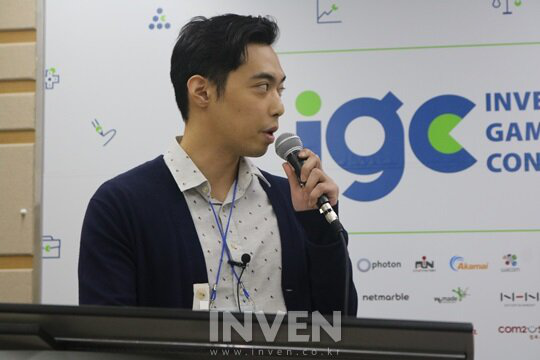
Presented "AI Platforms for Game Customer Service" at Inven Game Conference 2016. Demonstrated NLP-based customer inquiry classification using multi-dimensional vector transformation — foundational approach that evolved into today's LLM-based agent systems.
Each agent addresses a distinct operational challenge — from document processing to real-time voice interaction — connected through shared OCR/LLM infrastructure. The same pattern of automating complex, judgment-heavy workflows that Fieldguide brings to audit and assurance.
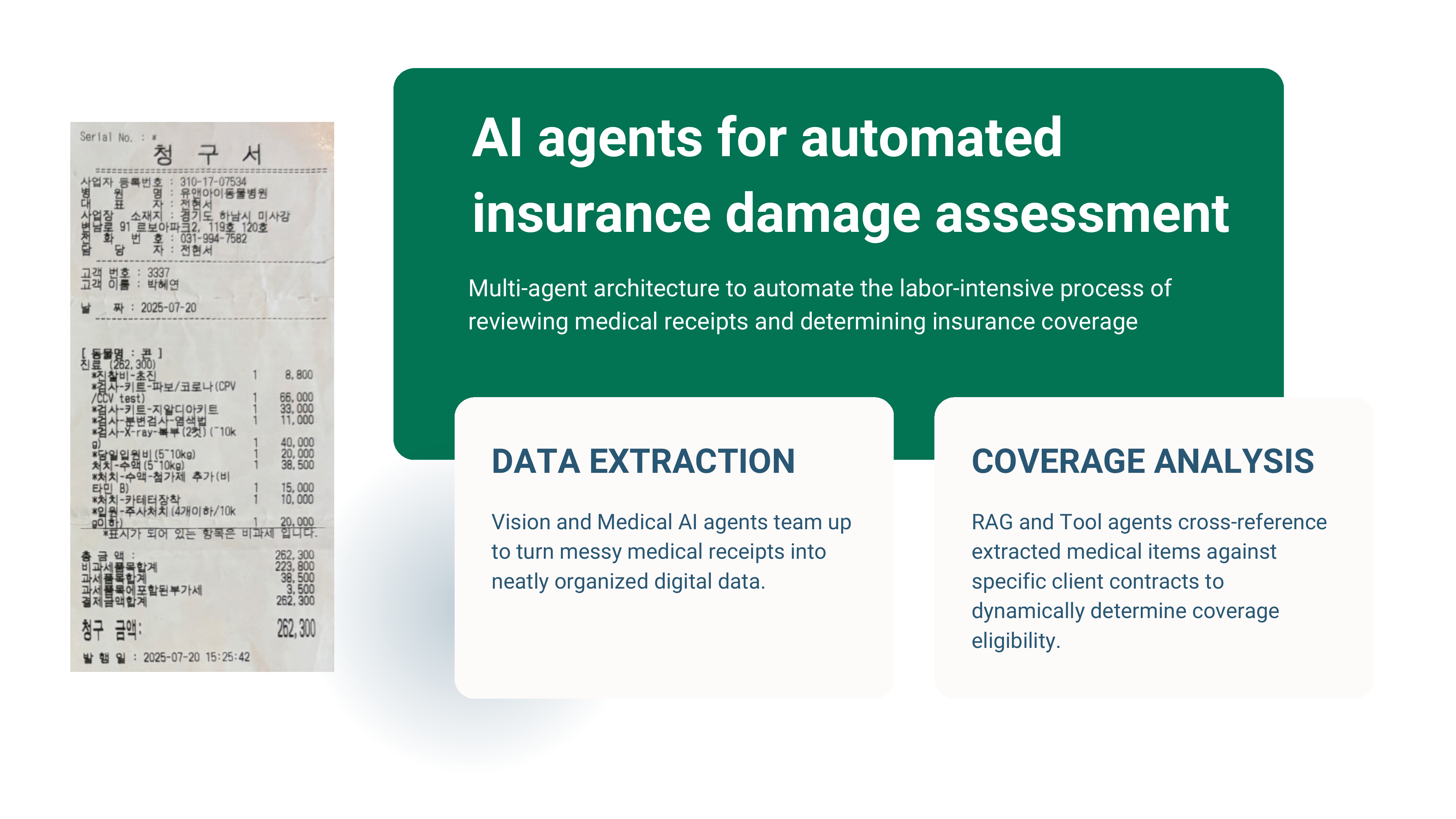
Multi-agent system that automates the labor-intensive process of reviewing medical receipts and determining insurance coverage eligibility — a complex workflow requiring structured data extraction, domain-specific rules, and human judgment. Directly analogous to the audit workflows Fieldguide automates.
OCR Module → LLM structured extraction. Handles receipts, ID cards, pet registration docs, and bank account documents. Vision AI + Medical AI agents digitize messy handwritten receipts into normalized JSON.
Strategy pattern per insurer (KB, DB, Meritz, Samsung, Hyundai). Common classification agent (1 LLM call) → per-insurer rule calculation (0 LLM calls). 9-category exclusion framework with surgical procedure linking.
Certified loss adjusters review AI classifications via drag-and-drop interface. Override capability with structured reason codes. Every manual decision is logged — the same HITL design pattern that audits require, where AI assists but professionals make final judgment calls.
Reduced LLM calls from N (one per insurer) to 1 via common classification layer. Individual strategy calculations are pure rule-based — no LLM, no latency. DB-driven rules allow A/B testing without code changes. Feedback loop analytics for continuous model improvement.
Receipt Image → OCR Module → Text Lines → LLM Extraction → Structured Items ↓ Common Classification Agent ← 1 LLM call ↓ ↓ covered_items excluded_items ↓ ↓ ↓ ↓ KB Strategy DB Strategy Meritz Samsung ← 0 LLM calls ↓ Loss Adjuster Review → Approve / Reject / Override ↓ Feedback Loop → Model Retraining Data
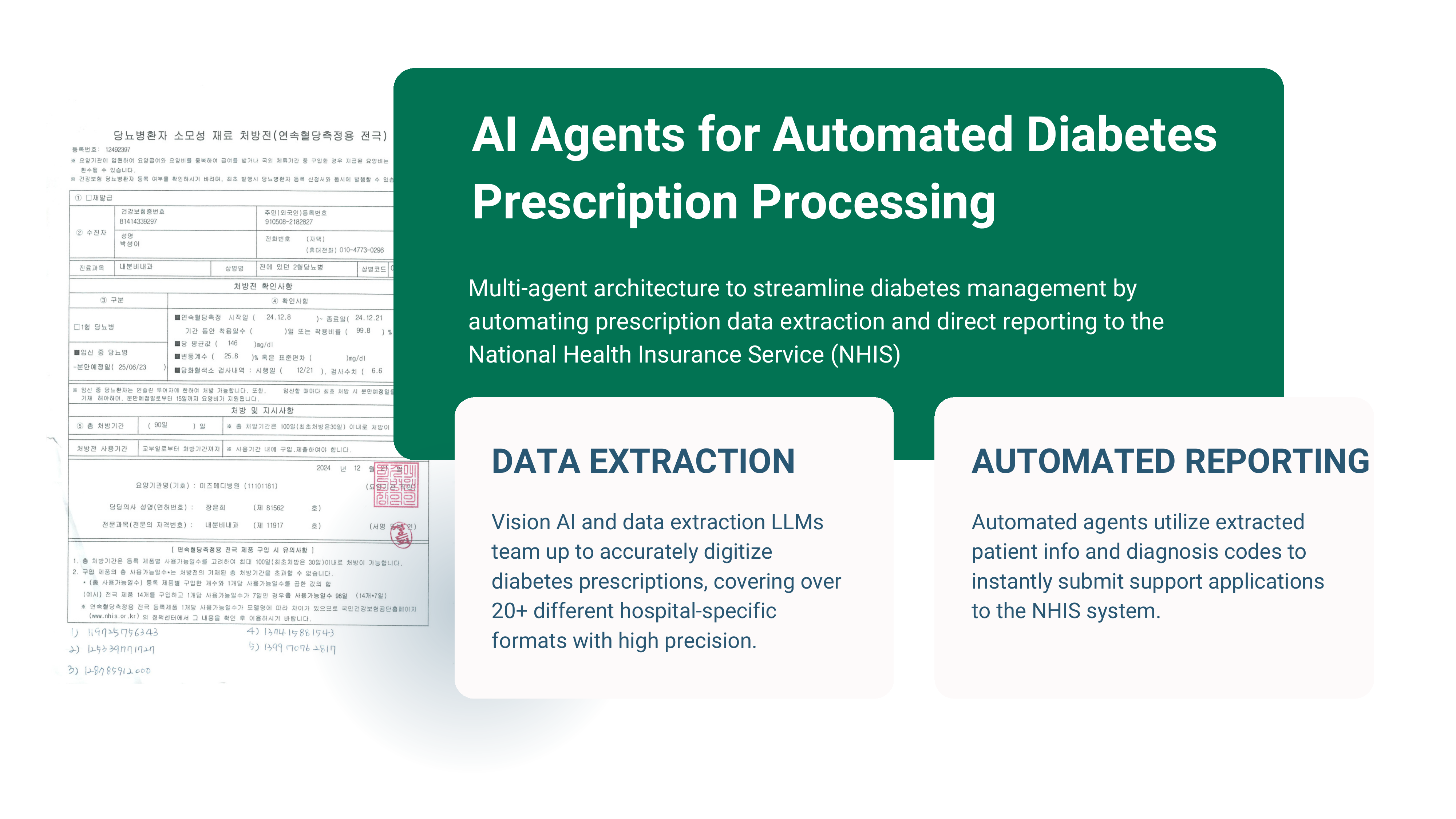
Extracts structured data from 20+ hospital-specific diabetes prescription formats using the same OCR + LLM pipeline — then automatically submits reports to South Korea's National Health Insurance Service (NHIS). Demonstrates the same document intelligence and compliance automation Fieldguide brings to audit evidence collection.
Auto-detects 3 prescription types (general diabetes, medical aid, CGM continuous monitoring). Type-specific LLM prompts extract 30+ fields: patient info, diagnosis codes (E10-E14), medication items, dosage schedules, insulin usage, and institutional codes.
Extracted patient info + diagnosis codes automatically formatted and submitted to the National Health Insurance Service. Dynamic protocol adaptation based on diabetes type and level. End-to-end automation from paper prescription to government submission — the same regulatory compliance rigor audit firms need.
Prescription Image → OCR Module → Text → Type Auto-Detection ↓ ┌────────────────────┼────────────────────┐ General Diabetes Medical Aid CGM Electrode └────────────────────┼────────────────────┘ ↓ LLM (type-specific prompt) ↓ Structured Prescription JSON ↓ ↓ NHIS Auto-Report → Agent 03 (Voice AI) medication data feeds personalized calls
A real-time voice AI agent that calls patients at scheduled times to verify medication intake, check for side effects, and escalate safety concerns. Built on Agent 02's prescription analysis — the system knows exactly which medications each patient takes, their dosage schedule, and relevant drug interactions.
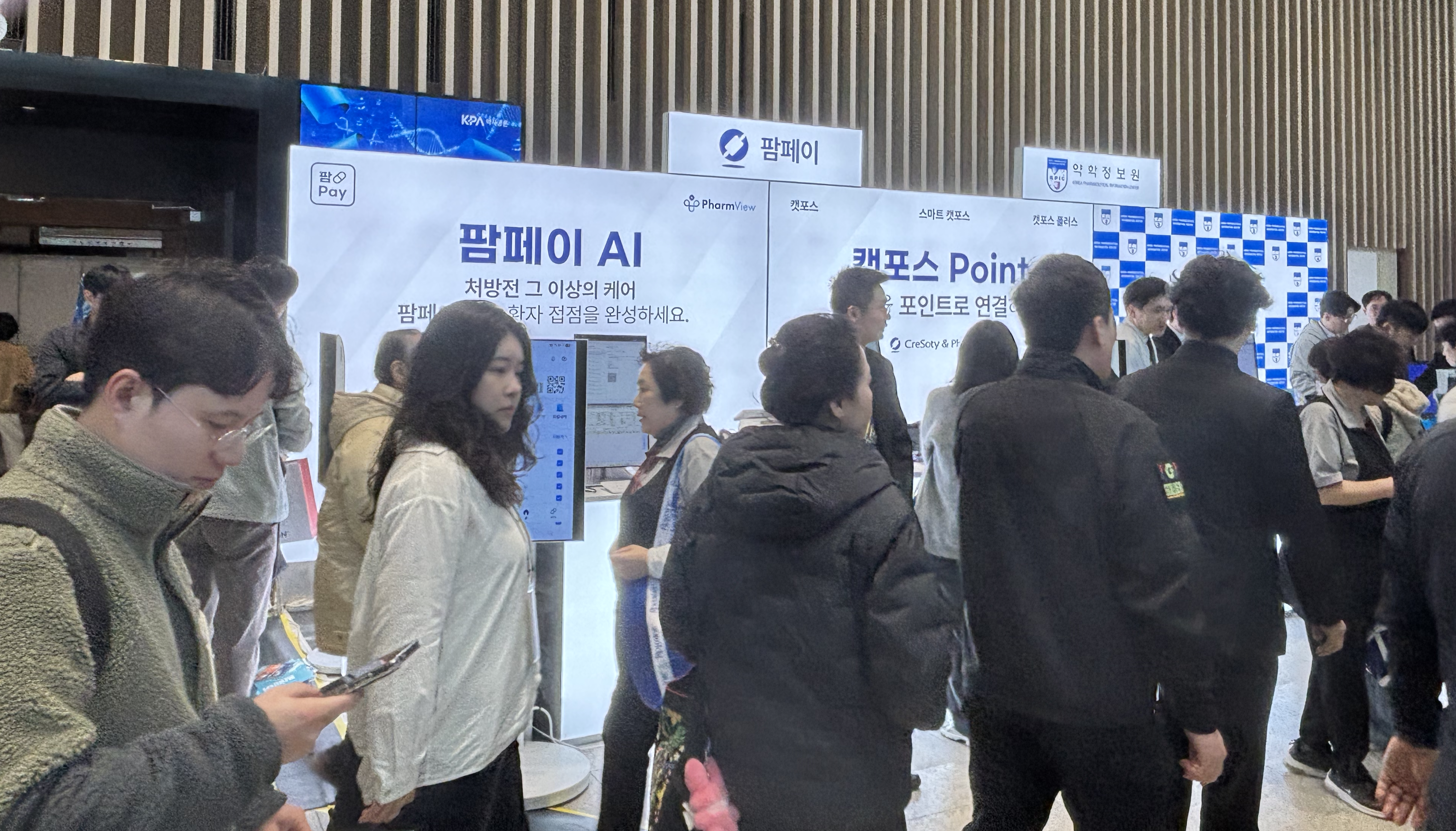
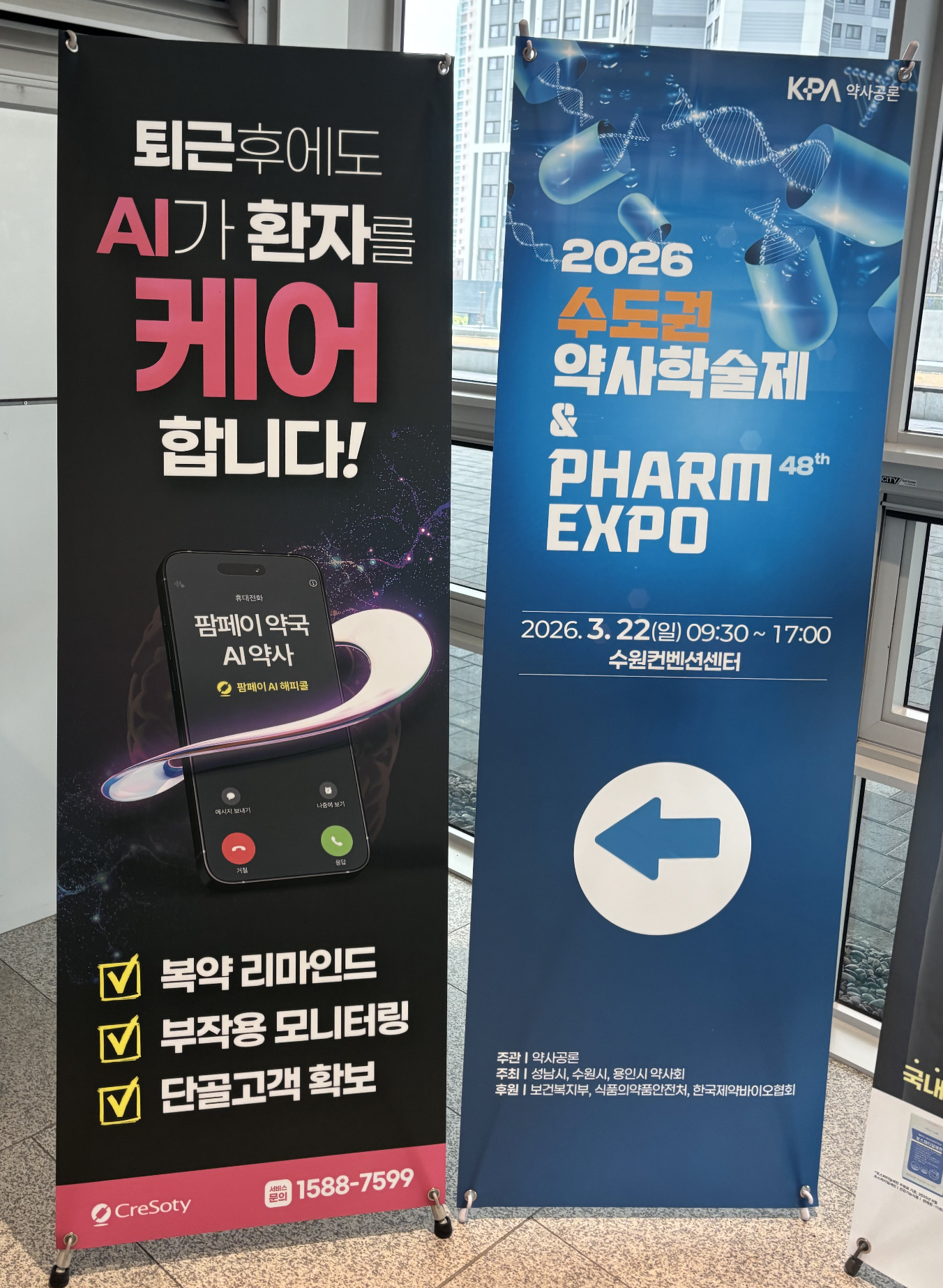
Voice Agent system officially launched at the 2026 수도권 약사학술제 & 48th PHARM EXPO (Suwon Convention Center). Live demo and booth presentation to pharmacists nationwide.
Instead of streaming raw audio to the server, the system performs on-device STT and sends only text over a dedicated text channel. A separate audio channel handles TTS playback. This dual-channel WebSocket design minimizes latency and preserves voice quality — the same architectural trade-off thinking required when designing agent systems for enterprise reliability.
Server triggers FCM (Android) / APNs VoIP Push (iOS) at scheduled times. CallKit integration presents native phone UI. Cross-platform: iOS uses AVAudioEngine + CallKit; Android uses WebRTC + FCM data messages.
OpenAI Whisper, ElevenLabs Scribe, Google Cloud, Naver Clova, and native speech recognition. VAD with RMS threshold tuning. 0.7s silence detection triggers transcription; 5s max utterance limit.
LLM with dynamic system prompt injected with patient's prescription data. Korean AI pharmacist persona with sliding window memory (last 10 turns). Structured flow: greeting → medication check → side-effect screening → safety escalation → farewell.
Multi-provider TTS (ElevenLabs, Google Wavenet, Naver Clova). Server generates audio chunks → streams over WebSocket → native audio engine playback. TTS caching strategy: pre-generates responses based on patient profiles for minimal latency.
Server checks dosage schedule → sends VoIP push notification at configured time
Patient sees incoming call from "AI Pharmacist" — standard phone UI, works on lock screen
Text channel: STT transcripts + LLM responses. Audio channel: TTS audio chunks. Both over WSS.
AI: "Did you take your Metformin 500mg with lunch?" — generated from Agent 02's prescription data
LLM probes for common side effects based on prescribed drugs
Risk signal detected → connects patient to pharmacy/hospital. Transcript saved for review.
Dosage Scheduler → FCM / APNs VoIP Push → CallKit (iOS) / FCM (Android) ↓ Patient accepts call ↓ ┌───── Dual WebSocket ─────┐ │ │ Text Channel Audio Channel │ │ On-device STT → text TTS audio chunks ↓ ↑ LLM + Prescription DB → ElevenLabs TTS (dynamic prompt injection) ↓ Adherence logged to DB Risk? → Pharmacy / Hospital alert
Designed and operated the complete technical stack — from infrastructure and databases to ML pipelines and mobile client. The same end-to-end ownership Fieldguide values.
I've built systems professionals depend on — insurance claim assessments, prescription processing for government compliance, voice agents for patient safety. When the output is wrong, real consequences follow. This is the same standard Fieldguide holds for audit and assurance workflows.
My insurance agent is built around certified loss adjusters who verify AI classifications. I understand when to automate vs. when to surface decisions to humans — the exact balance auditors need when reviewing AI-generated workpapers.
Audits require judgment, not just accuracy. My evaluation frameworks use structured reason codes, continuous feedback loops, and HITL verification — because in regulated domains, you need to know why the AI made a decision, not just what it decided.
My agent systems produce transparent outputs: structured JSON with source tracing, confidence scores, and human-readable reasoning. Audit professionals need to trust and verify AI outputs — I've been building for this requirement from day one.
What excites me about Fieldguide is the mission-critical complexity. Building AI agents for audit and advisory isn't about simple automation — it's about navigating judgment-heavy workflows where compliance, accuracy, and trust are non-negotiable. This is exactly the kind of work I've been doing: healthcare compliance automation, insurance claim assessment with multi-insurer business rules, and government reporting. The domain is different, but the engineering challenges are the same.
I'm especially aligned with Fieldguide's approach of shipping daily value. My career has been built on bias to building — moving fast from POC to production, iterating based on real user feedback, and owning outcomes end-to-end. Having already shipped 3 production AI agents with full-stack ownership, I'm ready to bring that same velocity and rigor to Fieldguide's audit intelligence platform.
Fieldguide is opening a new office in Seoul — and I'm based here, deeply connected to the Korean enterprise ecosystem, and ready to help build the team from day one.